The funniest part, however, is that for a huge portion of modern viewers, Herrmann’s motif isn’t associated with Gregory Peck or Robert De Niro at all. It is associated with Sideshow Bob (brilliantly voiced by Kelsey Grammer) – the cult villain from the animated series The Simpsons.
The creators of The Simpsons have always been famous for their love of cinema, and the 1993 episode Cape Feare remains one of the most brilliant cinematic homages in television history. It is not so much a loose parody (targeting mainly Martin Scorsese’s version) as it is a full-fledged adaptation of the story, filtered through the lens of absurd humor. The sheer volume of brilliant verbal and situational jokes is astonishing – the gags follow one another without a second of respite.
Sideshow Bob steps into the role of Max Cady almost one-to-one. He stalks the Simpson family, and his sole purpose is to eliminate Bart, who put him behind bars. During his grotesque and clumsy attempts to commit the crime, he is accompanied by… that very same familiar music, instantly building an atmosphere of dread.
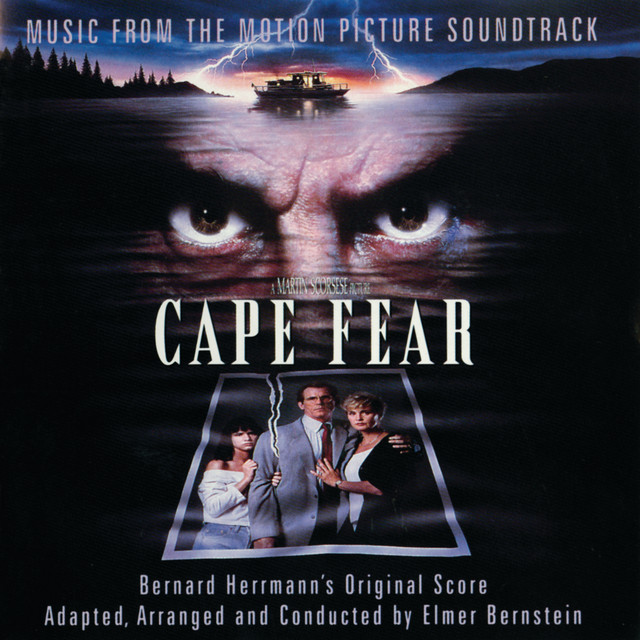
And that is exactly when something fascinating happened. The show’s composer, Alf Clausen, didn’t just loosely reference Herrmann – he practically built the entire atmosphere around the Cape Fear soundtrack, drawing heavily from Elmer Bernstein’s arrangement. Clausen repeated the maneuver that Bernstein had previously used for the movie Airplane!: he illustrated an absolute parody with deadly serious, dramatic symphonic music, which amplified the comedy and absurdity of the scenes.
In this way, Bernard Herrmann’s motif stopped belonging exclusively to the world of thrillers and became the official audio signature of Sideshow Bob. Furthermore, this wasn’t a one-time joke – the theme faithfully returned in every subsequent episode featuring the character. It is a rare case where a composition written for a specific live-action monster is almost officially „adopted” by a cartoon character.
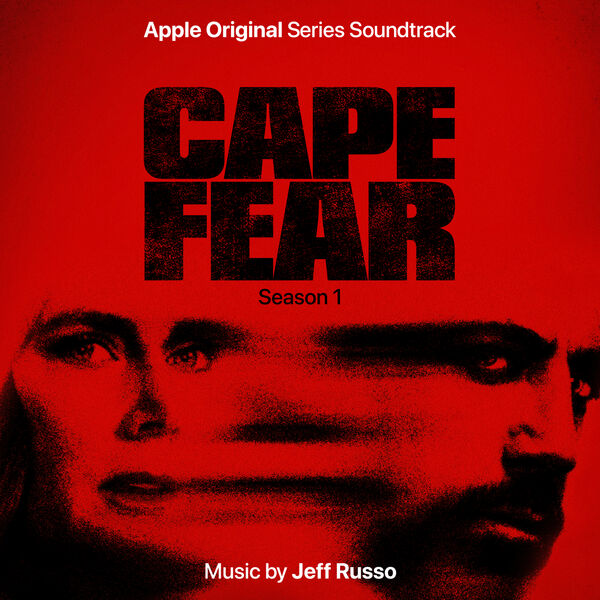
2026 – Jeff Russo Returns to the Roots
![Cape Fear – Six Decades of a Theme That Refused to Die. The Story Behind the „Cape Fear” Motif [ENGLISH] - okładka](https://filmmusic.pl/wp-content/uploads/2026/07/CapeFearMaxCapeTripleSideshowBob-752x376.jpg)